


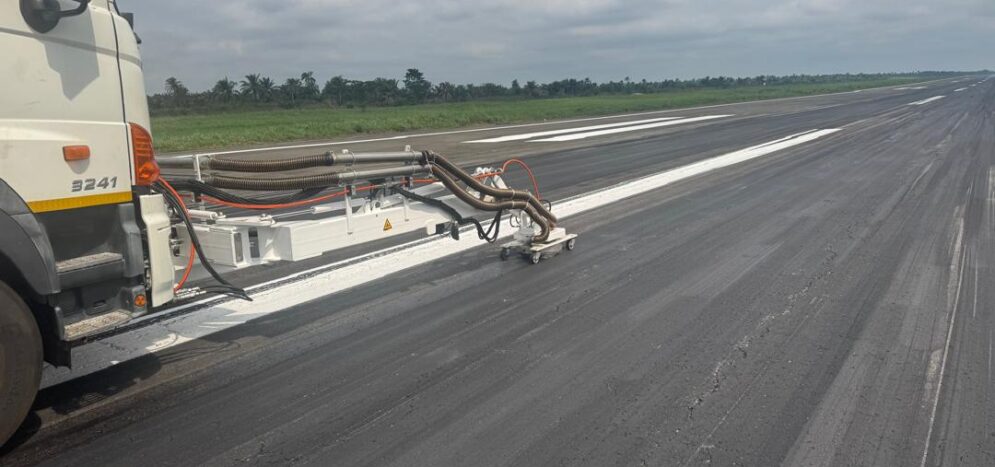
At first glance, a runway looks like little more than a long strip of asphalt with painted lines. But to a pilot, every stripe, dash, and symbol is a critical piece of information. Airfield markings are the silent language of aviation—guiding…
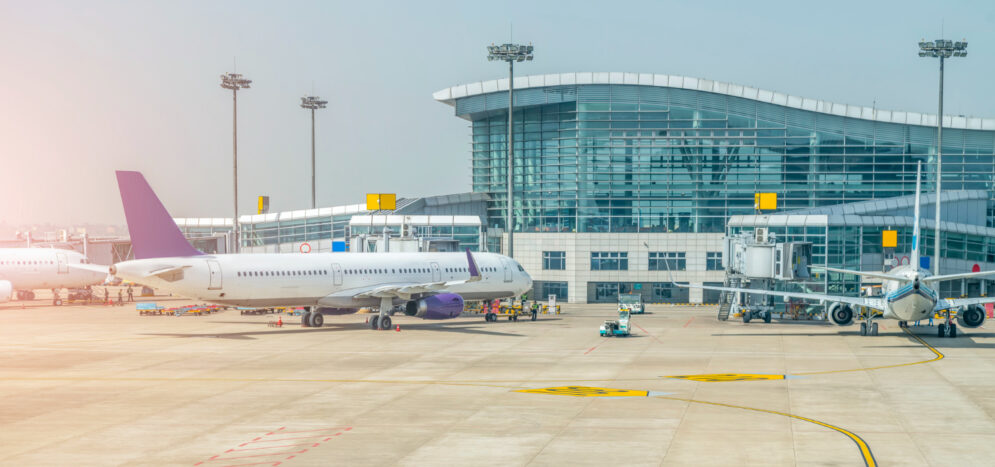
5 Essential Airfield Maintenance Practices for Safety & Efficiency
Maintaining a safe and efficient airfield is far more complex than mowing grass and repainting lines. It requires consistent, strategic, and data-driven maintenance practices. Without them, airports risk accidents, operational delays, and non-compliance with aviation regulations. Below, we expand on five…
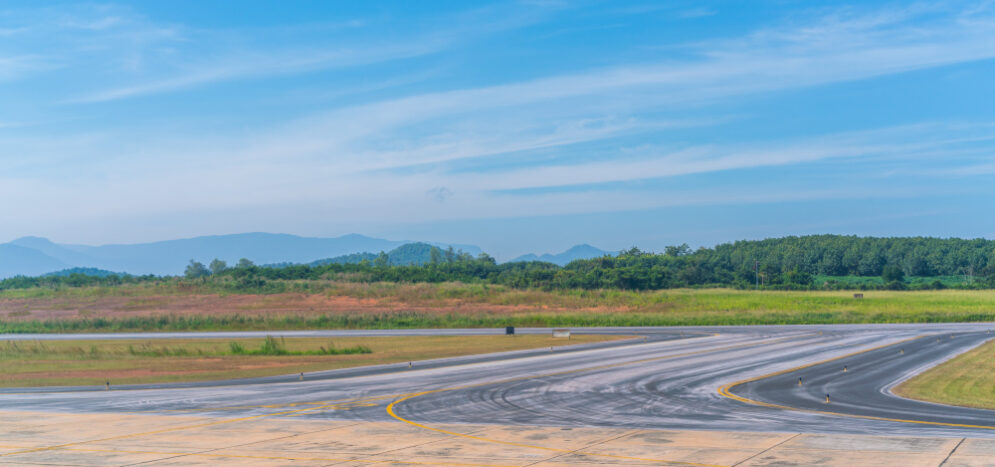
How Airfield Grooving Improves Drainage and Prevents Accidents
Water accumulation on runways is one of the most underestimated safety hazards in aviation. A seemingly light rain can transform a well-maintained runway into a high-risk surface if the pavement lacks proper drainage. That’s where airfield grooving comes in. This specialized maintenance technique…
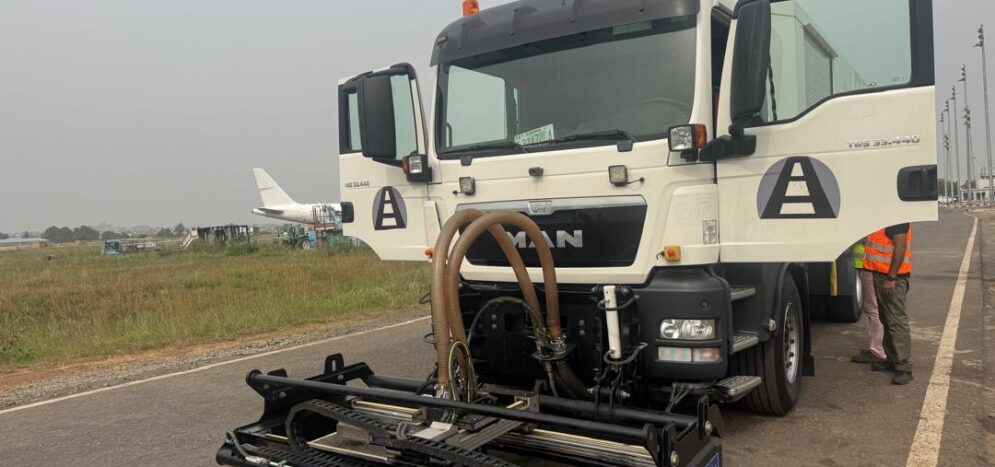
Why Runway Rubber Removal Is Critical for Aircraft Safety
When most people think of runway hazards, they imagine ice, snow, or standing water. But there’s another danger that builds up silently with every single landing: rubber. Each time an aircraft touches down, its tires leave behind a thin layer of rubber…